
Today’s best replicas can be so convincing that even seasoned collectors need a loupe and trained eye to tell the difference. Yet, beneath the polished surfaces, sapphire crystals, and familiar aesthetics lies the true core of any watch: the movement.
This article dives into the heart of best replica watches—the movement—exploring the differences between stock and cloned calibers, the challenges they present, and what these mechanical marvels tell us about the craftsmanship and passion embedded within the world of replicas. As you’ll discover, there’s more beneath the dial than just gears and springs—there’s a story of ambition, imitation, and innovation.
A watch’s movement, often referred to as its caliber, is its engine, its soul. It dictates not only how the hands move but also defines the overall reliability, functionality, and longevity of the timepiece. In genuine luxury watches, movements are often in-house creations, refined over years or even decades, offering a glimpse into the brand’s DNA. In the world of replicas, however, the approach varies—and dramatically so.
Replica manufacturers typically opt for one of two types of movements:
1. Stock Movements: These are readily available, mass-produced movements commonly found in entry-level automatic or quartz watches. Think Seiko NH35, Miyota 8215, or Swiss-made ETA 2824 clones. These movements are reliable, serviceable, and time-tested.
2. Clone Movements: These are intricate attempts to recreate the original luxury brand’s proprietary movement down to the rotor design, bridges, jewel placement, and even the finishing touches. They’re not just functional but visual imitations, intended to fool even the most detail-oriented watch enthusiast.
Stock movements are the backbone of many reputable replica watches, particularly those that value performance and practicality over exact visual duplication. These movements come from reputable Asian or Swiss manufacturers and are often selected for their robustness and ease of servicing.
Key Advantages:
Reliability: Stock movements like the Miyota 9015 or Seiko NH35 are known for running for years without issues.
Serviceability: Watchmakers across the world are familiar with these calibers, and spare parts are readily available.
Affordability: They’re mass-produced, which brings costs down—beneficial for both the producer and end consumer.
Customizability: While not identical to the original, these movements can be tweaked or fitted with rotor decals and cosmetic modifications to resemble high-end in-house calibers.
Example in Use:
Imagine a replica Rolex Submariner powered by an ETA 2824. While it doesn’t mirror the Rolex 3235’s inner workings, it still offers solid accuracy, a smooth sweep of the seconds hand, and enough reliability for daily wear. For the everyday user, it’s more than sufficient.
But therein lies the limitation: for the purist or collector, a watch that doesn’t mimic the original movement’s appearance—or its mechanical functions—is a compromise.
This is where things get intriguing. Clone movements are not just mechanical devices—they are feats of reverse engineering, often bordering on obsession. The goal? To replicate not only how the original movement works but how it looks, down to the tiniest Geneva stripe, the polished screws, or the sunburst rotor.
The Upside:
Aesthetic Accuracy: These movements often mirror the original so precisely that even the engraved brand logos, rotor designs, and bridges align perfectly.
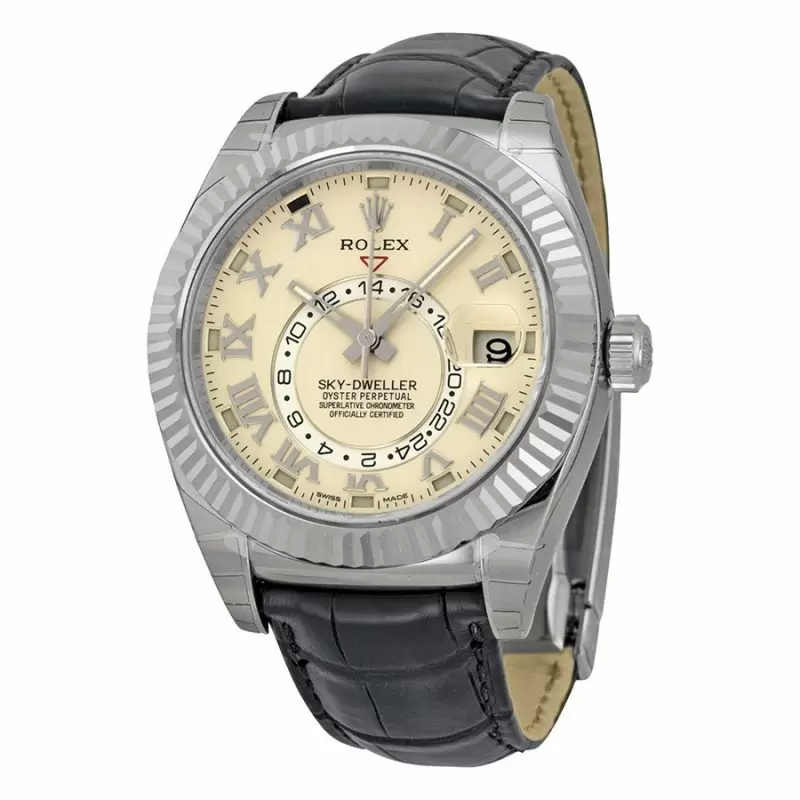
Functional Mimicry: Some clones go as far as replicating unique complications—such as the replica Rolex Sky-Dweller‘s annual calendar or Patek Philippe’s moon phase—with stunning fidelity.
Collector Appeal: For enthusiasts who desire visual accuracy inside and out, clone movements elevate a replica watch to a different league.
So why would a replica manufacturer risk building a clone movement, knowing the servicing and reliability challenges?
The answer lies in perception. A watch, especially a luxury one, is as much about the story it tells as the time it keeps. For many replica buyers, the experience of wearing a watch that mirrors the original both inside and out offers a deeper emotional satisfaction. It’s about owning a piece of mechanical art—even if it’s not from the original atelier.
For those venturing into the world of replica watches, choosing between a stock movement and a clone isn’t merely technical—it’s philosophical. Here are a few guiding questions:
Do you value functionality over visual fidelity? Go for a stock movement.
Are you buying for collection and admiration? A high-end clone might be for you.
Do you have access to a skilled watchmaker willing to work on clones? If not, prepare for potential headaches down the line.
How often do you wear your replica? Daily wear demands reliability, where stock movements shine.
As technology advances and 3D scanning, CNC machining, and micro-engineering become more accessible, the line between clone and original continues to blur. Already, some clone movements integrate silicon escapements, improved shock resistance, and power reserves nearing 70+ hours—traits once limited to Swiss innovation.
The question then becomes: will replicas ever surpass originals in mechanical innovation? While unlikely in prestige and heritage, in raw technical mimicry, the gap narrows every year.
